개요
맥킨지에 따르면, 평균 지식 근로자는 일주일에 9.3시간을 정보를 찾는 데 씁니다. 대부분의 조직에서는 이를 해결하기 위해 구매한 지식 관리 도구가 문제의 일부입니다.
지식 관리 도구는 기관 내 지식을 수집, 조직, 공유하여 직원들이 신속하게 올바른 답을 찾을 수 있도록 설계된 소프트웨어 플랫폼입니다. 그것이 약속입니다. 하지만 현실은 대부분이 실패한다는 것입니다—기술이 고장 나서가 아니라, 파일 캐비닛처럼 배포되고 검색 엔진처럼 행동해야 하기 때문입니다. 18개월 이내에 평균적인 지식 관리 플랫폼은 또 다른 디지털 쓰레기 서랍이 됩니다: 오래된 페이지, 고장 난 검색, 전혀 채택되지 않는 상태입니다. 2026년 세대의 KM 소프트웨어는 다르게 작동합니다. 이 가이드는 현대 지식 관리 도구가 실제로 무엇을 하는지, 알아야 할 주요 범주, 오늘날 주요 플랫폼들의 나란히 비교, 그리고 팀이 실제로 사용할 플랫폼을 선택하는 방법을 다룹니다.
지식 관리 소프트웨어란 무엇인가요?
지식 관리(KM) 소프트웨어는 조직이 도구와 사람들의 머릿속에 흩어져 있는 문서, 답변, 프로세스, 전문성을 수집, 조직, 검색, 유지할 수 있도록 돕는 플랫폼의 한 범주입니다. 이는 작동하는 단일 진실의 출처 뒤에 있는 인프라입니다.
지식 관리 소프트웨어 vs. 지식 관리 소프트웨어
지식 관리는 실천입니다. 지식 관리 소프트웨어는 실천을 가능하게 하는 플랫폼입니다.
이 구분이 중요한 이유는 많은 KM 이니셔티브가 실무 수준에서 실패하기 때문입니다—소유권이 불분명하고, 콘텐츠 건강 프로세스가 없으며, 전문가가 기여할 동기가 없고—그리고 소프트웨어 탓을 하기 때문입니다. 더 나은 소프트웨어가 도움이 됩니다. 왜 이런 일을 하는지 아는 것을 대신할 수는 없습니다.
현대 KM 소프트웨어가 실제로 하는 일은
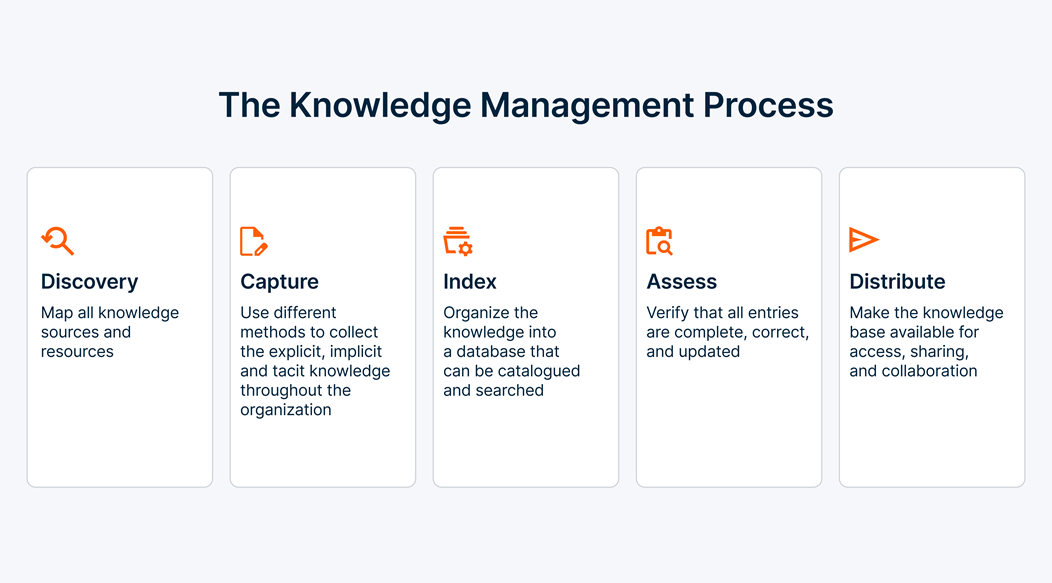
현대 지식 관리 소프트웨어는 다섯 가지 핵심 업무를 처리합니다:
- 캡처: 흩어진 정보—문서, 티켓, 채팅, 녹음—을 구조화되고 재사용 가능한 지식으로 변환합니다
- 조직하기: 분류, 태그, 권한, 콘텐츠 소유권을 적용하여 지식을 대규모로 탐색할 수 있도록 합니다
- 검색: 검색, AI, 워크플로우 내(Slack, Teams, 브라우저)을 통해 올바른 답변을 적절한 사람에게 전달합니다.
- 배포: 사람들이 이미 사용하는 도구에 지식을 밀어넣고, 맥락 전환을 강요하지 않습니다
- 검증: 오래된 콘텐츠를 표시하고, 검토를 위해 소유자에게 전달하며, 도서관을 장기간 신뢰합니다
마지막 작업인 검증은 대부분의 레거시 도구들이 건너뛰는 부분이며, 그래서 대부분의 지식 기반이 썩어버립니다.
이 카테고리가 어떻게 변해왔는지에 대해
5년 전만 해도 '지식 관리 소프트웨어'는 위키를 의미했습니다. 당신은 페이지를 작성했고, 사람들은 키워드로 검색했습니다. 결과는 좋지 않았습니다. 당신은 포기했습니다.
오늘날의 선도적인 지식 관리 플랫폼은 AI 기반 의미 검색, 워크플로우 내 전달, 자동화된 콘텐츠 건강 상태를 중심으로 구축되어 있습니다. 이들은 질문에 자연어로 답변하고, 사용자가 앱을 바꾸지 않도록 Slack과 브라우저 탭에 지식을 표시하며, 오해를 불러일으키기 전에 오래된 콘텐츠를 표시합니다. 변화는 기능 문제보다는 지식이 어디에 존재하는지에 더 가깝습니다—더 이상 별도의 목적지가 아니라 업무 흐름 속에 내재되어 있습니다.
이러한 변화가 바로 '지식 기반'이 현대 스택의 한 부분에 불과한 이유이기도 합니다. 작동하는 KM 전략은 이제 거의 항상 지식 기반과 AI 계층을 결합하여 나머지 시스템과 연결합니다.
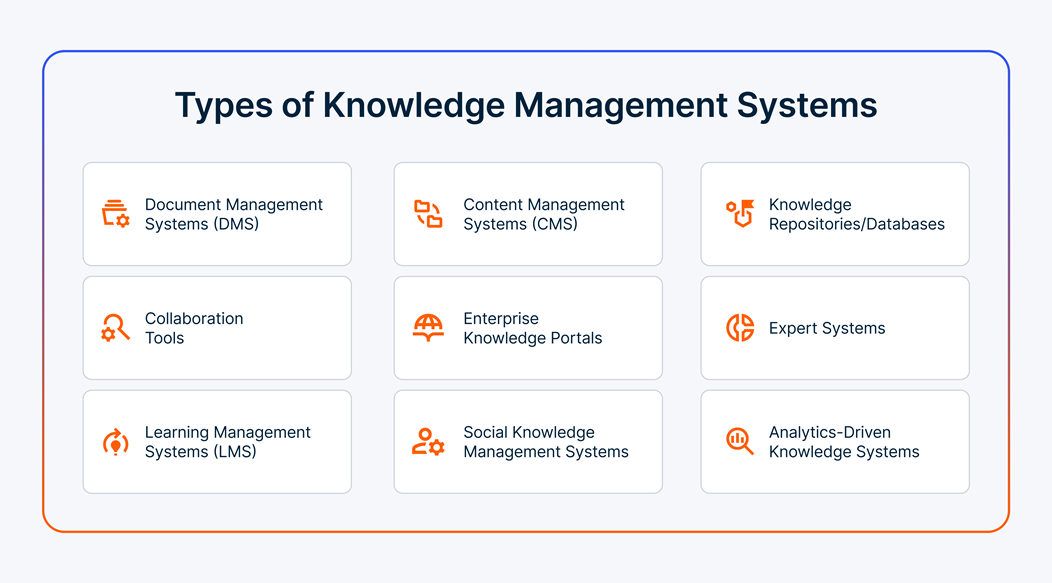
지식 관리 도구의 종류
대부분의 가이드는 다섯 가지 범주를 나열합니다. 솔직한 답변은 여섯 가지이며, 여섯 번째가 2026년에 가장 중요한 항목입니다.
지식 기반
기사, FAQ, 사용법 가이드, 제품 문서로 구성된 셀프 서비스 라이브러리. 내부 지식 기반은 직원을 지원하고; 외부 지식 기반은 고객을 지원합니다. 둘 다 검색 품질에 따라 생사를 가집니다. 예시: Document360, Zendesk Guide, HubSpot 지식 베이스, Helpjuice.
내부 위키 및 협업 플랫폼
팀이 작성한 문서화 및 협업 공간. 페이지, 중첩된 계층 구조, 인라인 주석, 버전 역사. 검색보다 저작이 더 강력하다. 예시: Confluence, Notion, Slite, Nuclino.
문서 관리 시스템(DMS)
접근 제어, 협업, 컴플라이언스 워크플로우가 포함된 버전 지정 파일 저장. 지식 검색을 위해 특별히 설계된 것은 아니지만, 정책, 계약, 공식 문서의 사실상 기록 시스템으로 자주 사용됩니다. 예시: SharePoint, Google Drive, Box.
학습 관리 시스템(LMS)
교육 내용, 강의, 퀴즈, 기술 추적. 핵심 지식보다는 KM과 인접해 있지만, 온보딩, 컴플라이언스 교육, 또는 자격증이 지식 스택의 일부일 때 중요합니다. 예시: iSpring Learn, Docebo, Absorb LMS.
 출처: https://www.tettra.com/article/knowledge-management-process-101
지식 기능을 갖춘 고객 관계 관리(CRM)
CRM 플랫폼은 점점 더 고객 대면 팀을 위한 지식 기능을 포함하고 있습니다. 계정, 과거 상호작용, 제품 사용에 관한 맥락은 기사와 플레이북과 함께 존재합니다. 예시: Salesforce Knowledge, HubSpot Service Hub.
AI 기업 검색 및 지식 오버레이
신흥 여섯 번째 범주이자 시장을 재편하는 분야입니다. 이 도구들은 기존 지식 스택을 대체하지 않습니다. 이 도구들은 기존 지식 스택 위에 올라와 모든 소스(위키, 티켓, 문서, 채팅)에서 콘텐츠를 수집하고, LLM과 의미 검색을 활용해 사람들이 이미 사용하는 도구들로 답변을 제공합니다. 예시: Guru, Glean, eesel AI, Read AI.
최고의 지식 관리 도구
2026년에 알아야 할 10가지 플랫폼을 카테고리별로 정렬해 상황에 맞는 최종 후보로 바로 이동할 수 있습니다. 이 중 어느 것도 단독으로 '최고'는 아니며, 적합성은 당신이 무엇을 해결하느냐에 달려 있습니다.
구루 (AI 구동)
Slack, Teams, Google Workspace, Salesforce 등 다양한 시스템의 정보를 권한 인식 지식 계층으로 통합하는 AI 지식 플랫폼. 브라우저 확장 프로그램과 Slack을 통해 워크플로우 내에서 검증된 답변을 제공하는 내부 팀에 가장 적합합니다. 내장 검증 기능은 콘텐츠 소유자에게 카드를 신선하게 유지하도록 촉구합니다. 최적: 광범위한 도구 스택과 전담 지식 소유자를 가진 중대형 팀.
Confluence (일반/위키)
Atlassian의 성숙한 팀 위키는 Jira와 깊이 통합되어 있습니다. 구조화된 페이지, 템플릿, 공간, 그리고 활발한 앱 마켓플레이스가 있습니다. 이미 Atlassian 생태계에 속한 엔지니어링 및 제품 조직의 기본 선택입니다. 공식 문서화에 강함; 앱 외부에서 지식을 드러내는 데는 덜 강합니다. 기존 Atlassian 투자 중인 엔지니어링, 제품, 기술 팀에 최적입니다.
노션 (올인원)
문서, 데이터베이스, 작업, 위키를 결합한 유연한 작업 공간. 매우 맞춤화가 가능하고, 채택 속도도 빠르며, 구조에 대한 의견이 적습니다. AI를 활용한 기업 검색은 이제 연결된 소스(Slack, Drive, GitHub)를 통해 검색합니다. 확장성은 트레이드오프입니다: 20명에게는 마찰 없이 느껴지는 것이 2,000명에게는 혼란스러워질 수 있습니다. 가장 적합한 경우: 경직된 구조보다 유연성을 원하는 소규모 성장 팀.
Document360 (기술 문서)
제품 및 API 문서화를 위해 특별히 설계되었습니다. 마크다운 및 WYSIWYG 편집, 강력한 버전 관리, 카테고리 관리, AI 검색. SaaS 기업에서 공개 도움말 센터와 개발자 포털에 인기가 많습니다. 지원 티켓 회피 기능은 성숙해졌습니다. 기술 작가, 제품 팀, 외부 문서 품질을 우선시하는 SaaS 회사에 가장 적합합니다.
젠데스크 가이드 (고객 서비스)
Zendesk 티켓팅과 긴밀히 통합된 헬프 센터 지식 기반. 다국어 AI 지원 저작, 기사 성과 및 회피에 대한 심층 분석. Zendesk 스택 내에서 가장 강력하며; 독립적으로 사용할 때는 덜 매력적입니다. 최적: 대규모 조직 지원, 특히 이미 Zendesk를 사용 중인 조직.
블룸파이어 (AI 기반 기업)
AI 기반 검색, 자연어 Q&A, 자동 태깅, 콘텐츠 건강 분석을 통한 기업 지식 관리. 비디오, 오디오, PDF 등 혼합 콘텐츠 유형을 심층 인덱싱과 대본으로 처리하는 데 강력함. 최적: 멀티미디어 지식이 많고 콘텐츠 전반에 걸쳐 AI 준비가 필요한 중대형 기업.
Slite (AI 기반 위키)
가벼운 위키에 강력한 AI 검색("Ask Slite")과 문서를 쉽게 찾고 최신 상태로 유지하는 데 중점을 둡니다. Slack, Google Workspace 및 기타 팀 도구와 통합됩니다. 최적화: Confluence의 복잡함이나 Notion의 광범위한 확장 없이 집중된 지식 기반이 필요한 성장하는 팀.
Glean (AI 엔터프라이즈 검색 오버레이)
기존 도구들—Drive, Slack, Jira, Salesforce, GitHub, Confluence —에 연결하고, 모든 도구에서 자연어 질문에 답하는 AI 기반 엔터프라이즈 검색. 의도적으로 권한 인식 기능입니다. 지식 스택을 대체하지 않습니다; 검색 가능하게 만듭니다. 최적의 솔루션: 방대한 툴체인을 가진 기업과 콘텐츠 마이그레이션에 대한 관심이 없는 곳.
HubSpot 지식 베이스 (통합 CRM)
HubSpot의 서비스 허브에 번들로 제공되는 지식 베이스. 무료 요금제 제공. HubSpot CRM, CMS, 마케팅 도구와의 긴밀한 통합. HubSpot이 이미 중심에 있을 때 가장 좋습니다. 최적: HubSpot 네이티브 기업, 다른 공급업체를 추가하지 않고 고객 대면 지식을 원하는 기업.
BookStack / Wiki.js (오픈 소스)
자체 호스팅, 오픈소스 지식 기반 플랫폼. 무료이고, 맞춤화 가능하며, 완전히 사용자가 통제할 수 있습니다—인프라 자원에 따라 이것이 판매 포인트이자 문제일 수 있습니다. 데이터 상주 제약이 있는 팀, 보안에 민감한 배포, 강력한 내부 엔지니어링 팀에 적합합니다.
지식 관리 소프트웨어 선택 방법
지식 관리 소프트웨어 시장은 그 어느 때보다 시끄럽게 변하고 있습니다. 모든 벤더가 AI라고 주장합니다. 모든 벤더가 엔터프라이즈 준비가 되었다고 주장합니다. 대부분은 틀리지 않았지만, 실제로 그들을 구분하는 차원은 마케팅이 아니라 세부 글씨에 드러납니다.
최종 후보 명단 전에 물어봐야 할 5가지 질문
도구를 비교하기 전에 내부적으로 이 질문들에 답하세요. 이 답변들은 어떤 특징 행렬보다 더 빠르게 영역을 좁힙니다:
- 대상은 누구인가? 내부 팀인가, 고객인가, 아니면 둘 다인가? 내부 우선 도구는 저작과 검증을 최적화한다. 고객 대상 도구는 SEO, 회피, 현지화를 최적화한다. 한 도구로 두 가지를 모두 수행하려 하면 보통 둘 다 제대로 하지 못한다.
- 검색 방법은 무엇인가요 — 키워드, 의미론, 아니면 LLM 기반인가요? 2026년의 키워드 검색은 한계입니다. 의미 검색은 의도를 이해합니다. LLM 기반 검색은 인용과 함께 답변을 생성합니다. 이 두 가지 간극은 "문서 찾기"와 "답을 얻는다"의 차이와 같습니다.
- 이 도구는 대규모로 권한을 어떻게 처리하나요? 권한 인식은 단순한 보안이 아니라, AI 검색이 작동하거나 유출되는 이유입니다. 만약 RAG 계층이 드러나지 말아야 할 것을 드러낸다면, 그것은 권한 문제이지 AI 문제가 아닙니다.
- 콘텐츠 건강 문제는 무엇인가? 누가 최신 상태로 유지하는가? 모든 공급업체에게 물어보세요: 귀하의 플랫폼은 어떻게 오래된 콘텐츠를 감지하고, 소유자에게 할당하며, 검토를 위해 플래그를 지정하나요? 만약 "관리자 대시보드가 목록을 보여준다"라면, 그것은 자동화가 아닙니다. 그건 숙제입니다.
- 실제 TCO(총 운영 비용)는 얼마인가요 — 행정 비용 포함? 라이선스가 가장 큰 비용은 거의 아닙니다. 관리 시간, 콘텐츠 이전 노력, 지속적인 큐레이션이 종종 그보다 훨씬 큽니다. 참조 고객의 첫 해 총비용을 요청하세요, 좌석당 스티커가 아니라.
결정 틀: 어떤 범주가 당신의 상황에 가장 적합한지
대부분의 구매자는 같은 범주에 속하지 않는 도구를 비교하는 데 몇 주씩 낭비합니다. 먼저 카테고리부터 시작한 후, 그 안에서 최종 후보로 선별하세요:
- 지식이 여러 기존 도구에 걸쳐 존재하고 마이그레이션이 불가능할 때는 AI 엔터프라이즈 검색 오버레이(Guru, Glean)를 선택하세요. 당신은 저작 문제가 아니라 찾기 문제입니다.
- 구조화된 단일 진실의 출처가 필요하고 저작과 큐레이션에 투자할 의지가 있다면 전용 위키나 지식 플랫폼(Confluence, Notion, Slite, Bloomfire)을 선택하세요. 콘텐츠 제작과 거버넌스 문제를 해결하는 것입니다.
- 회피, 셀프 서비스, 외부 사용자 경험이 주요 목표라면 고객 대면 지식 베이스(Document360, Zendesk Guide, HubSpot)를 선택하세요. 당신은 지원 규모의 문제를 해결하는 것입니다.
실수는 잘못된 카테고리에서 먼저 고르고 나서 왜 도구가 문제를 해결하지 못하는지 궁금해하는 것입니다.
지식 관리 소프트웨어에서 데이터 보안을 어떻게 보장할 수 있을까요?
지식 관리 플랫폼은 조직의 가장 민감한 콘텐츠—고객 데이터, 내부 전략, 직원 기록, 지적 재산권—을 집중시킵니다. 따라서 보안은 기능이 아니라 바닥을 의미합니다. 구매 전에 다섯 가지 영역이 명확히 검토되어야 합니다.
접근 통제 및 권한 모델
역할 기반 접근은 테이블 스테이크와 같습니다. 그룹 상속, 문서별 오버라이드, 테넌트 수준의 격리는 엔터프라이즈 준비 플랫폼과 소규모 팀 도구를 구분합니다. 2026년 더 중요한 질문: AI 계층이 기본 콘텐츠와 동일한 권한을 존중하는가? 순진한 검색 증강 생성은 사용자가 보면 안 되는 콘텐츠를 자주 유출하는데, 이는 실제로 발생하기 전까지는 명확하지 않은 실패입니다.
인증 및 프로비저닝
SAML 또는 OIDC를 통한 SSO, 자동 사용자 프로비저닝 및 디프로비저닝을 위한 SCIM, 그리고 기준선으로 MFA를 기대하세요. SCIM은 대부분의 구매자가 생각하는 것보다 더 중요합니다: 수동 오프보딩은 전 직원들이 수년간 위키 접근 권한을 유지하는 방법입니다.
암호화 및 키 관리
AES-256은 정지 상태, TLS 1.3은 전송 시 기본 상태입니다. 규제 대상 산업의 경우, 고객 관리 키(BYOK)와 하드웨어 보안 모듈(HSM) 지원을 찾아보세요. 기본 암호화는 방어 가능한 암호화와 동일하지 않습니다.
감사 기록 및 준수 인증
누가 무엇을 언제 보고 편집하거나 내보냈는지, 공유했는지 포함한 포괄적인 감사 로그는 모든 사고 후 조사의 기초가 됩니다. 준수 인증에 대해 문의할 사항: SOC 2 Type II(최소 기준), ISO 27001, HIPAA(건강 데이터 처리 시), GDPR(EU 데이터용), FedRAMP(미국 정부 업무용). 인증은 서로 교환 가능하지 않습니다; 각각 특정 통제 범위를 다룹니다.
데이터 레지던시 및 AI 데이터 처리
서면으로 받아야 할 두 가지 질문:
- 데이터는 물리적으로 어디에 저장되어 있으며, 우리는 지역을 선택할 수 있을까요? 이는 EU, APAC, 정부 구매자들에게 중요하며, 점점 더 국경을 넘는 의무를 가진 모든 기업에 적용됩니다.
- 우리의 콘텐츠가 벤더의 모델이나 그들이 통합하는 서드파티 LLM을 학습시키는 데 사용되나요? 기본값은 다양합니다. 일부 벤더는 옵트아웃하지 않으면 가입을 옵트아웃합니다. 다른 벤더는 쿼리를 자체 유지 정책을 적용해 서드파티 모델(OpenAI, Anthropic)을 통해 라우팅합니다. 마케팅 답변이 아니라 서면 데이터 플로우 다이어그램을 요청하세요.
데이터를 새로운 지식 관리 시스템으로 마이그레이션하는 모범 사례
대부분의 KM 마이그레이션은 조용히 실패합니다. 콘텐츠는 이동합니다. 사람들은 그렇지 않습니다. 몇 주 후, 사용자들은 새 플랫폼도 이전 플랫폼만큼이나 검색하기 어렵다는 것을 깨닫습니다—왜냐하면 그와 같은 복잡한 콘텐츠가 함께 왔기 때문입니다.
1단계—현재 콘텐츠 감사
무언가를 마이그레이션하기 전에 보유한 콘텐츠를 목록화하세요. 누가 소유하고 있는지, 마지막으로 언제 업데이트되었는지, 얼마나 자주 접근되는지 확인하세요. 일반적인 결과는 30%에서 40%가 1년 넘게 손대지 않았고, 의미 있는 부분은 완전히 중복된 것입니다. 측정하지 못한 것은 고칠 수 없습니다.
 출처: https://www.tettra.com/article/knowledge-management-process-101
2단계—마이그레이션 전에 새로운 분류체계를 정의하세요
카테고리 구조, 태그 어휘, 권한 그룹, 콘텐츠 소유권 모델. 먼저 이걸 문서화해 보세요. 복잡한 구조를 새 도구로 옮기면 문제가 해결되고 청구서만 추가됩니다.
3단계—청소 및 중복 제거
오래된 것을 보관하세요. 중복된 것을 병합하세요. 쓸모없는 것을 삭제하세요. 이 단계가 성공한 마이그레이션과 경고 사례가 되는 마이그레이션을 구분하는 단계입니다. 대부분의 팀은 이 단계에서 콘텐츠 볼륨을 40%에서 60%까지 줄이며, 프로젝트 전체에서 가장 높은 영향력 행사입니다.
4단계—파일럿 마이그레이션 실행
한 팀과 한 가지 콘텐츠 유형을 선택하세요. 마이그레이션, 검색 동작 검증, 권한 테스트, 형식 확인. 회사를 완전히 정리하기 전에 작은 규모로 문제를 해결하세요.
5단계—마이그레이션 후 권한 검증
권한 변동은 KM 마이그레이션에서 가장 큰 보안 위험입니다. 사용자가 로그인하기 전에 사람들이 본인이 봐야 할 것만 보는지 검증하세요. 기존 시스템의 설정에 의존하지 마세요—거의 그렇지 않습니다.
6단계—병렬 접속을 통한 단계별 컷오버
기존 시스템은 30일에서 60일 동안 읽기 전용으로 유지하세요. 파워 유저들이 빈틈을 발견하도록 하세요. 강제 하드 컷오버는 반발을 일으키고 채택을 저해합니다. 조용하고 단계적인 컷오버가 거의 항상 깨끗한 것보다 비용이 저렴합니다.
지식 관리 시스템의 ROI를 어떻게 측정할 수 있을까요?
모든 KM 공급업체는 시간 절약에 관한 슬라이드 덱을 가지고 있습니다. 배포 후 플랫폼이 실제로 무엇을 반환했는지 보여줄 수 있는 구매자는 매우 드뭅니다. 해결책은 배포 전에 측정에 합의하는 것이지, 배포 후에 합의하는 것이 아닙니다.
간단한 ROI 공식에 적용할 수 있습니다
대부분의 구매자가 먼저 고려해야 할 계산은 다음과 같습니다:
직원 1인당 주당 절약 시간 × 시간당 비용 × 팀 규모× 50주 이내) − (플랫폼 비용 + 행정비용) = 연간 ROI
실제 사례: 100명의 지식 인력이 있는 한 회사는 더 나은 검색과 워크플로우 내 전달을 통해 직원 한 명당 주당 3시간을 절약합니다. 시간당 75달러의 완전 비용으로 계산하면:
3 × 75달러 × 100 × 50 = 112만 5만 달러 회복 생산성
플랫폼 비용(~$30,000/년)과 관리 비용(~$60,000/년) 모두 적습니다.
첫 해에 연간 순투자수익≈ 100만 달러
이 공식은 정확해야 하는 것이 아닙니다. 대화를 정직하게 유지하기 위한 것입니다. 공급업체의 가격이 이런 냅킨 뒷면에서 정당화되지 않는다면, 나중에도 정당화되지 않을 것입니다.
지식 관리, AI, 그리고 기업 기반
마지막으로 명확히 말씀드릴 만한 점이 있습니다: 지식 관리 소프트웨어는 더 이상 독립적인 구매가 아닙니다. 기업용 AI의 맥락 계층이 되어가고 있습니다.
조직이 배포하는 모든 AI 에이전트, 부조종사, 자율 워크플로우는 그 지식의 우수성에 달려 있습니다. 맥락 없는 지능은 환각을 만듭니다.
거버넌스 없는 맥락은 유출됩니다. 앞으로 3년 동안 AI를 최대한 활용할 조직은 지식 인프라를 부차적인 생각이 아닌 기반으로 여기며, 모델이 알아내길 바라기보다는 신뢰받고 규율이 적용되며 허가 인식 있는 콘텐츠에 AI를 뿌리내리는 조직입니다.
이것이 바로 이 가이드의 모든 것의 변화입니다. 적절한 지식 관리 도구는 단순한 검색창이 아닙니다. 그것은 기업 AI가 작동하는 기반입니다.
Teradata의 자율 지식 플랫폼이 신뢰할 수 있는 데이터에 기반을 두고 기업용 AI를 어떻게 기반지에 두는지 알아보세요.
자주 묻는 질문
지식 관리 도구에 대해 아직도 궁금한 점이 있나요? 가장 흔한 질문들에 대한 답변을 소개합니다.
지식 관리의 도구들은 무엇인가요?
지식 관리의 도구들은 무엇인가요?
지식 관리 도구는 여섯 가지 주요 범주로 나뉩니다: 지식 기반(직원 또는 고객을 위한 셀프 서비스 라이브러리), 내부 위키 및 협업 플랫폼(Confluence, Notion 등), 문서 관리 시스템(SharePoint, Google Drive), 학습 관리 시스템(iSpring, Docebo), 지식 기능이 내장된 CRM 플랫폼(Salesforce, HubSpot), 그리고 AI 엔터프라이즈 검색 및 지식 오버레이(Guru, Glean). 대부분의 조직은 단일 도구에 의존하기보다는 두세 가지를 결합합니다.
지식 관리의 7가지 유형은 무엇인가요?
지식 관리의 7가지 유형은 무엇인가요?
일부 프레임워크는 내부 지식 기반과 외부 지식 기반을 구분하고, 구조화된 문서와 비구조화된 문서를 구분하며, AI 기반 검색을 별도의 범주로 나누어 7가지 유형을 나열합니다. 실제로는 암묵지식(사람들이 알고 있고 적지 않은 것)과 명시적 지식(문서화된 지식) 사이의 유용한 구분이 있습니다. 좋은 KM 도구는 암묵 지식을 명시적 지식으로 전환하는 데 도움을 주며, 보통 캡처와 검증을 현상 유지보다 쉽게 만듭니다.
지식 관리의 5가지 C는 무엇인가요?
지식 관리의 5가지 C는 무엇인가요?
5가지 C는 캡처(Capture), 큐레이트(Curate), 연결(Connect), 협업(Collaborate), 기여(Contribute)입니다. 캡처는 대화, 티켓, 부족 지식을 문서화된 콘텐츠로 전환하는 것을 포함합니다. 큐레이트는 이를 체계적이고 태그하며 최신 상태로 유지하는 역할을 합니다. 커넥트는 도구와 팀 간에 관련 지식을 연결합니다. 협업(Collaborate)은 공동 저술과 피드백을 가능하게 합니다. 기여(Contribut)는 전문가들이 마찰 없이 지식을 쉽게 추가할 수 있도록 돕습니다. 어느 한쪽의 약점이 다른 한 쪽을 약화시킵니다.
지식 관리 플랫폼과 지식 기반의 차이점은 무엇인가요?
지식 관리 플랫폼과 지식 기반의 차이점은 무엇인가요?
지식 기반은 도서관—문서와 문서의 구조화된 저장소입니다. 지식 관리 플랫폼은 지식 기반과 저작 도구, 검색, 권한, 분석, 콘텐츠 건강 자동화, 통합 기능을 포함하는 전체 시스템입니다. 모든 지식 관리 플랫폼에는 지식 기반이 포함되어 있습니다. 모든 지식 기반이 완전한 플랫폼은 아닙니다.
AI 지식 관리 도구가 실제로 더 나은가요?
AI 지식 관리 도구가 실제로 더 나은가요?
검색과 검색에는 상당히 그렇습니다. 의미론 및 LLM 기반 검색은 거의 모든 벤치마크에서 키워드 검색보다 더 좋은 성능을 보이며, 인용이 포함된 생성형 답변은 실시간 시간을 절약합니다. 단, AI는 기본 콘텐츠의 강점과 약점을 모두 증폭시킵니다. 콘텐츠가 오래되었거나 불완전하면, AI는 자신 있게 나쁜 답변을 제공합니다. 권한이 올바르게 매핑되지 않으면 AI가 나타나서는 안 될 콘텐츠를 노출시킵니다. 적절한 AI 지식 관리 도구가 이를 해결합니다. 잘못된 도구는 기존 문제를 가속화합니다.
지식 관리 소프트웨어의 가격은 얼마인가요?
지식 관리 소프트웨어의 가격은 얼마인가요?
오픈소스 옵션(BookStack, Wiki.js)은 무료이지만 인프라와 유지보수 비용이 듭니다. 상업용 도구는 일반적으로 저가형 사용자당 월 4달러에서 15달러(Slite, Notion, Tettra)에서, AI 기능과 고급 거버넌스가 있는 엔터프라이즈급 플랫폼(Guru, Glean, Bloomfire)에서는 월 50달러+까지 다양합니다. 관리 시간, 마이그레이션 작업, 지속적인 콘텐츠 큐레이션을 포함하면 실제 비용은 거의 항상 라이선스 비용을 초과합니다.
KM 구현에는 얼마나 걸리나요?
KM 구현에는 얼마나 걸리나요?
간단한 소규모 팀 배포는 2주에서 4주 이내에 생산적일 수 있습니다. 콘텐츠 마이그레이션과 통합이 포함된 중간 시장 배포는 보통 2에서 3개월이 소요됩니다. 권한 매핑, 레거시 시스템에서 마이그레이션, 공식 거버넌스 프로세스가 포함된 엔터프라이즈 배포는 최소 3개월에서 6개월이 걸립니다. 일정에 가장 큰 영향을 미치는 변수는 소프트웨어가 아니라 콘텐츠 정리입니다.
소규모 비즈니스에 가장 적합한 지식 관리 소프트웨어는 무엇인가요?
소규모 비즈니스에 가장 적합한 지식 관리 소프트웨어는 무엇인가요?
50명 미만의 팀에서는 보통 사용 사례를 포괄하는 가장 가벼운 지식 관리 소프트웨어가 가장 적합합니다. Notion과 Slite는 빠른 채택을 위한 강력한 무료 또는 저비용 계층을 제공합니다. HubSpot의 서비스 허브에는 이미 HubSpot CRM을 사용하는 팀이 있을 경우 무료 지식 베이스가 포함되어 있습니다. 오픈 소스에 익숙한 팀에게는 BookStack이 신뢰할 수 있는 셀프 호스팅 옵션입니다. 기업용 도구(Guru, Glean, Confluence)는 보통 50명에서 100명 이상의 사용자, 또는 보안과 준수가 우선시되면 그 이전에 유용해집니다.